A film is a chain of decisions, not a pile of generations.
I have spent 17 years in production and VFX.
AI has made it incredibly easy to create a shot.
Type a prompt. Generate an image. Animate it. Try another tool. Change the prompt. Try again.
And again.
Somewhere along the way, we started confusing generating content with running a production.
A film is not a collection of prompts. An ad is not a pile of clips. A VFX shot is not just an instruction sent to a model.
Production is about decisions.
What is the story? Who is the character? What does the world look like? What is the camera doing? What has been approved? What changed, and what does that change affect? How much will the next take cost?
And who gets to say yes?
The pile of tabs
For most creators, AI filmmaking has become chaos management.
The script lives in one document. Character references sit in a cloud folder. Images are spread across tools. Video takes are in different accounts. Notes are buried in chats. Approvals happen over messages.
The production has no single source of truth.
That creates the same failures again and again.
Five failures I see every week
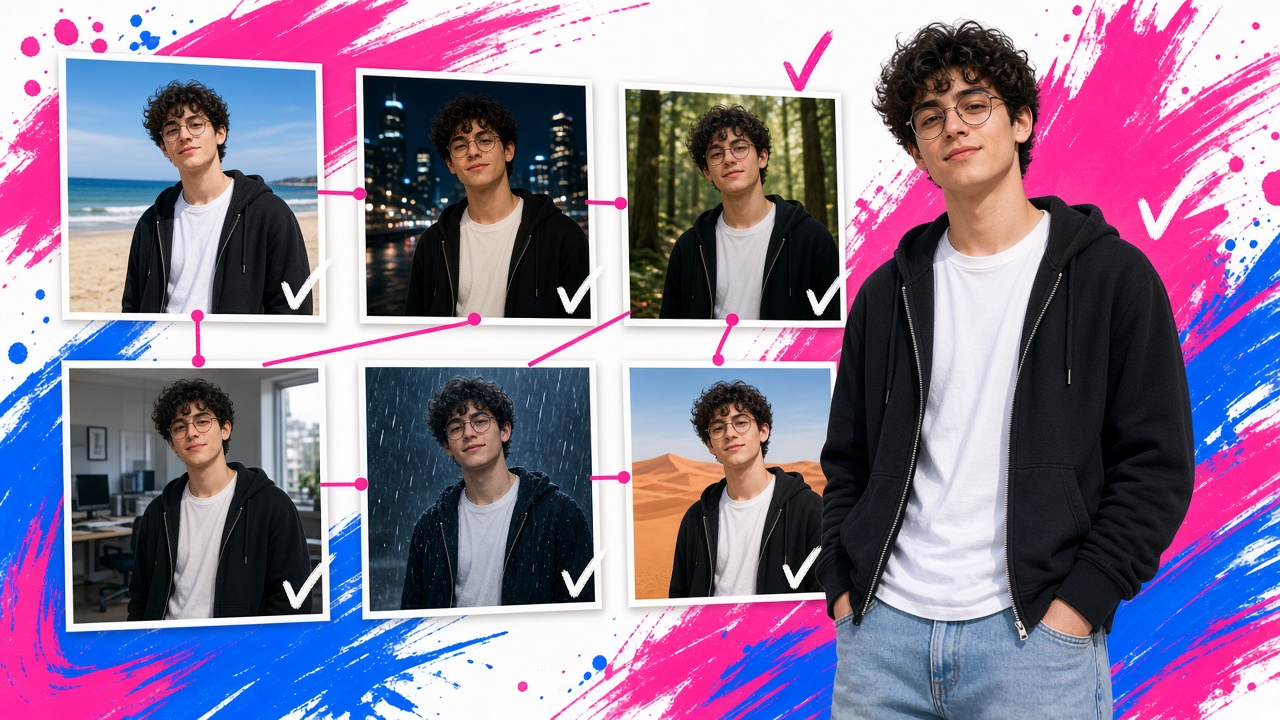
The face does not stay the face. Shot one is your lead. By shot five, they have a different age, a different jaw and a different costume.
Credits vanish on "just try it." One job, then another, then another. You find out what the experiment cost afterward. Iteration is necessary. Uncontrolled spending is not.
Live action gets "helped." You ask for one VFX change on a plate and the model also changes your actor's face, wardrobe or light. You asked for a fix. You got a new shot.
Products become fiction. An AI ad can look beautiful while quietly changing a logo or inventing a feature. For a brand, the product has to stay true.
Nothing is connected. You revise a character or a line, and nothing tells you which shots are now out of date.
All of this happens when tools are built around prompts instead of productions.
From prompting to production
The old loop looks like this:
prompt → generate → download → upload → repeat
A production loop looks like this:
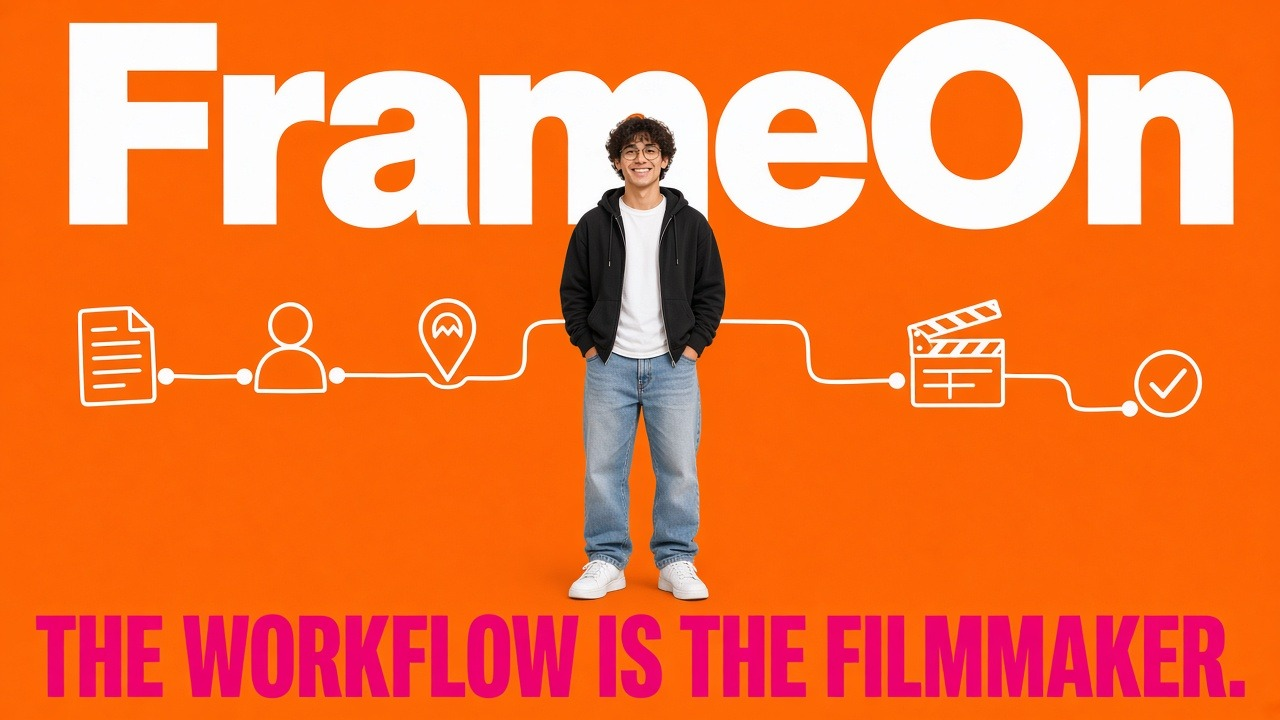
story → characters and locations → shots → takes → review → approval → delivery
Each stage knows what came before it. Every take has context. Important decisions can be locked.
Models generate. You lock.
Models will keep changing. Today's strongest engine may not be next year's.
That is fine, as long as your production does not have to be rebuilt every time.
Think of models as hired cameras. You pick the right one for the shot. The production record stays yours: characters, locations, references, takes, reviews and approvals.
The model is replaceable. Your production decisions are not.
Decide what must not change
A prompt can describe a character. It cannot guarantee they stay the same.
So identity should be a production decision. Establish the character once with clear reference views, lock it, and expect every later shot to respect it.
The same applies to locations and products.
When you say "this is the character" or "this is the product," the production should know exactly what you mean.
Camera language, not adjectives
Directors think in lenses, angles, movement and light, not only adjectives.
Familiar controls like focal length, angle, movement and lighting make AI shots easier to direct and easier to repeat.
And an honest system should tell you when a chosen engine cannot follow a control, instead of letting you spend on an instruction it will ignore.
Know the cost before you spend
Creative experiments are essential. Surprise bills are not.
When the expected cost of a take is shown before it runs, you start treating expensive generations like real production decisions.
Plan first. Spend on purpose.
Review like a production, not a chat
Eventually the work leaves your screen. A client, producer or brand has to approve it.
They should not need to learn your whole workspace to do that.
A simple review link where they can mark up the frame and leave notes keeps feedback attached to the shot it belongs to.
This is what we built FrameOn to do
FrameOn is an AI filmmaking platform for filmmakers, studios and brands, built around one connected production record.
Start with a story, and Cue, the production agent in the app, helps shape it into a script and a shot list.
Lock characters and locations once and reuse them across every shot.
Work on your own live-action plates with VFX tools that change only what you ask.
See the price of every shot before it runs. Nothing generates until you approve.
Share review links so directors and clients can draw on the frame and leave voice notes.
Run the production
The tools will keep getting faster and cheaper.
What will matter more is whether your decisions survive from the first frame to the last.
Stop prompting a movie. Run a production.
FrameOn's early access is open at frameon.us.
— Founder, FrameOn
FrameOn Creativity is yours. The tools are ours. frameon.us