The real cost drivers behind AI ad production, and a simple discipline that keeps budgets honest.
Every client conversation about AI ads eventually reaches the same question.
"So what does it cost?"
And the honest answer, after 17 years in production and VFX, is the same one we always gave for live action.
It depends on the shots.
That is not a dodge.
It is the most useful thing you can know about budgeting AI work.
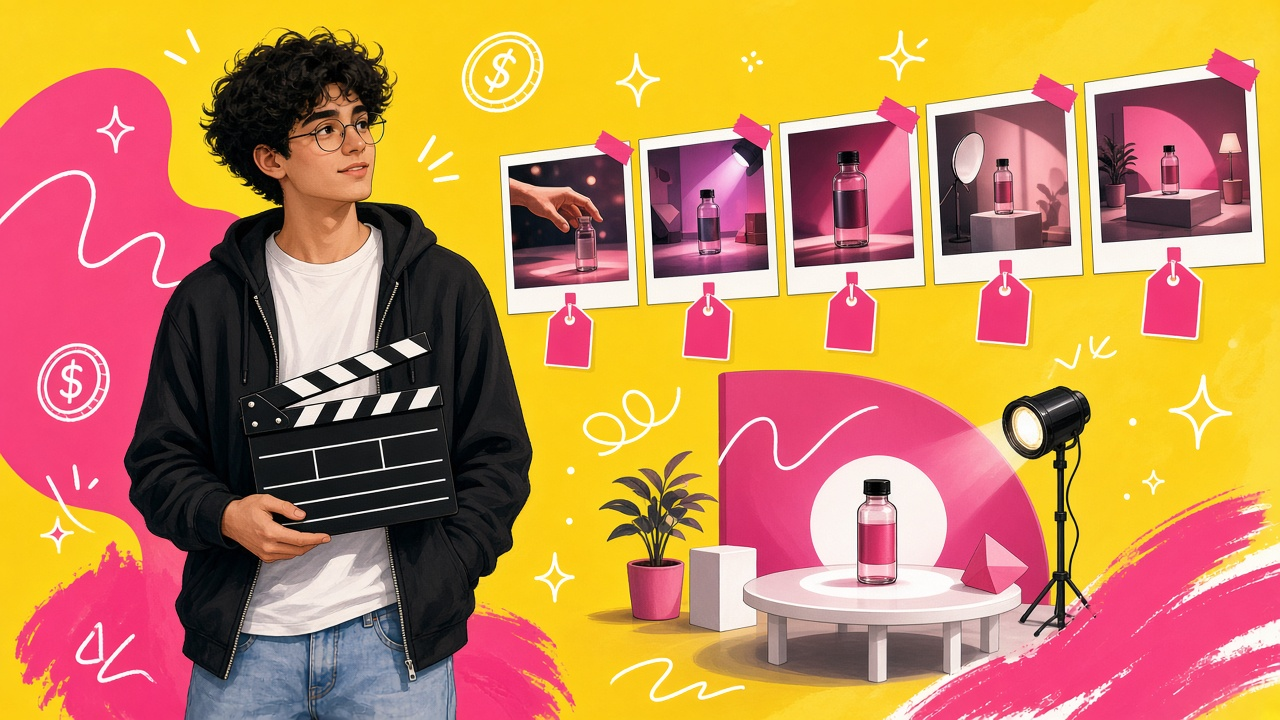
AI ad film cost is not a flat fee. It is the sum of every shot, multiplied by every attempt.
The line items have changed, not disappeared
In a traditional shoot, the money goes to crew, cast, locations, equipment, days on set and post.
In an AI production, many of those lines shrink or vanish.
But new ones appear.
Generation.
Retries.
Upscaling.
Review time.
Human craft in edit, sound, grade and finishing.
A budget that only counts generation is missing most of the picture.
Driver one: the model
Different models cost different amounts to run.
Some are built for speed and drafts.
Some are built for fidelity and motion.
Some are better at faces, some at products, some at physics.
The expensive model is not always the right one.
Match the model to the shot, not to the whole film.
A slow push-in on a bottle may not need the same model as a hand catching a falling glass.
Using the most expensive option for every shot is the AI equivalent of renting a crane for a close-up.
Driver two: resolution
Higher resolution usually costs more per generation.
So ask a production question.
Where does this shot actually need to land?
A social cut on a phone screen has different needs from a cinema pre-roll or a broadcast master.
A sensible pattern:
Draft at lower resolution while you are finding the shot.
Approve the motion, framing and performance there.
Only then render or upscale to delivery resolution.
You pay for full quality once, on a shot you already know works.
Driver three: duration
Longer clips generally cost more.
They also tend to fail more, because there is more time for a hand to warp or a face to drift.
Ad editors already know the answer to this.
Most shots in a good spot are short.
So generate the length the edit needs, plus a little handle, and no more.
SHOT 04. Product on marble, slow push-in, 85mm. 4 seconds plus 1 second handle. Morning window light from frame right. Single generation at draft resolution, upscale after approval.
That note is also a budget line.
Driver four: retries
This is the big one.
The quiet line item that wrecks AI budgets is not the cost of a generation.
It is the number of generations it takes to get the shot.
Retries come from:
Vague prompts.
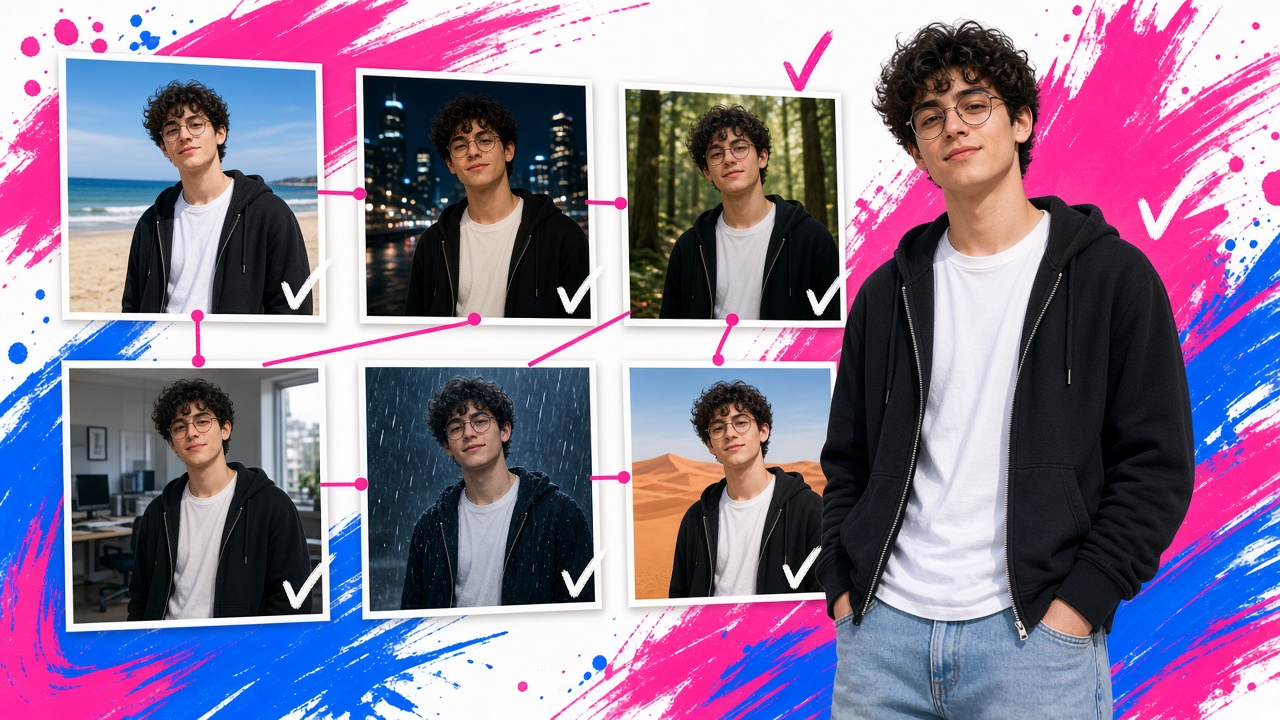
Inconsistent character references.
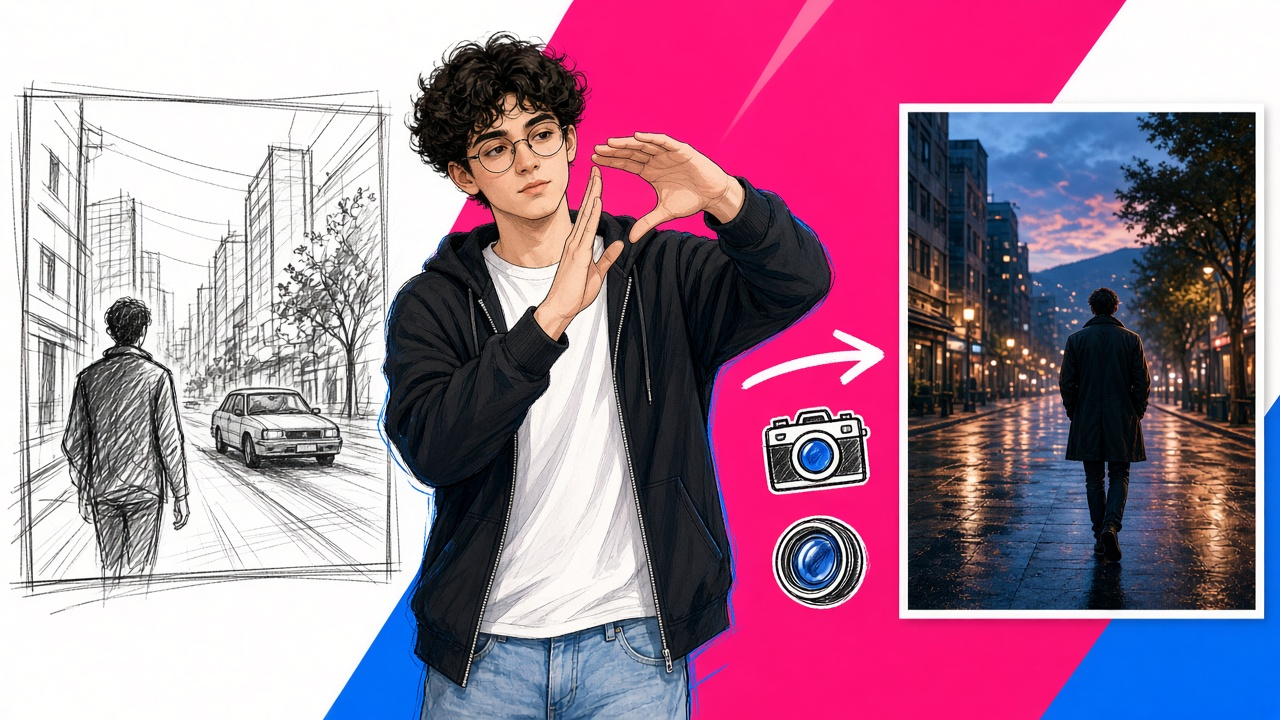
Unclear camera direction.
Changing your mind after the shot has run.
Client notes that arrive late.
Every one of these is a production problem, not a model problem.
The cheapest shot is the one you only have to generate once.
Driver five: the people
AI does not remove craft.
It moves it.
Someone still writes the script.
Someone still directs the look.
Someone still edits, mixes, grades and delivers.
And someone still manages the client.
Those hours belong in the budget, and pretending they don't is how studios underprice their work.
Price every shot before it runs
Here is the discipline that changes everything.
Before anything generates, write down for each shot:
The model you plan to use.
The resolution for draft and for final.
The duration, with handles.
A sensible allowance for retries.
Then add them up.
You now have a shot-level estimate that you can show a producer or a client before a single credit is spent.
It also makes trade-offs visible.
If the total is too high, you can see exactly which shots to simplify, shorten or move to a different model.
Approve, then generate
The second half of the discipline is simple.
Nothing runs without an approval.
Not a test.
Not a "quick one".
When every generation needs a yes, people think about the prompt before they press the button. Retries fall. Budgets hold.
The same applies to revisions. A client note is not a free change. It is a new set of shots with a new cost, and it deserves a quick estimate before it runs.
This is one of the reasons we built FrameOn
Our team has delivered more than a hundred AI films for clients through our own pipeline.
Watching retries and scattered tool bills eat into margin was a large part of why FrameOn exists.
In FrameOn, every shot is priced before it runs.
Nothing generates until you approve.
When you ask Cue, the production agent in the app, to change something, it comes back with a priced proposal first.
Because FrameOn is model-agnostic, you can choose Seedance, Kling, Veo, GPT Image, Nano Banana or others shot by shot, and see what that choice costs.
And it is one subscription instead of a dozen tools and a dozen bills.
Budgets are a creative tool
A clear budget is not the enemy of a good ad.
It tells you where to spend.
The hero shot.
The product moment.
The frame people will remember.
And where to keep things simple.
Know the cost of every shot, and you get to put the money on screen.
If that is how you want to run your next spot, FrameOn's early access is open at frameon.us.
— Founder, FrameOn
FrameOn Creativity is yours. The tools are ours. frameon.us